
Products
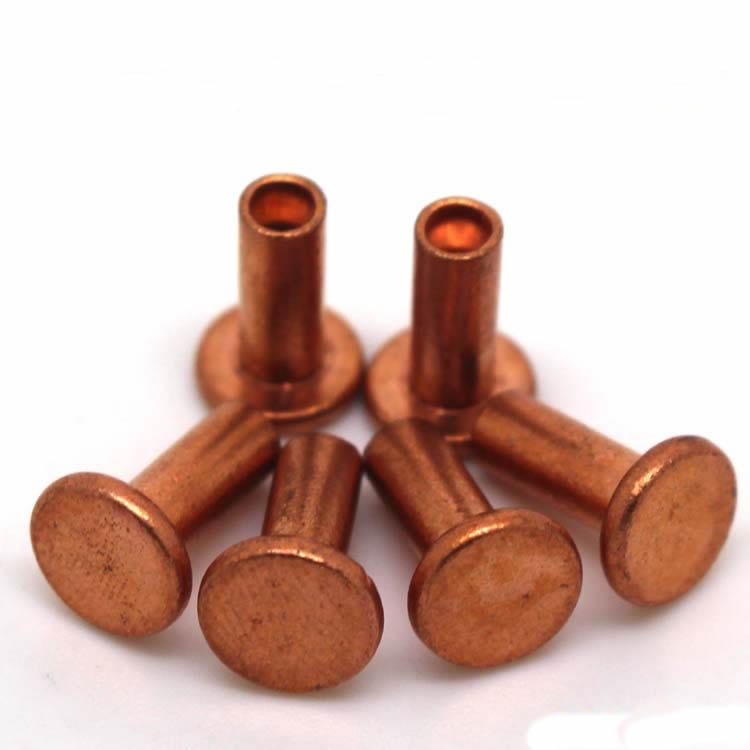
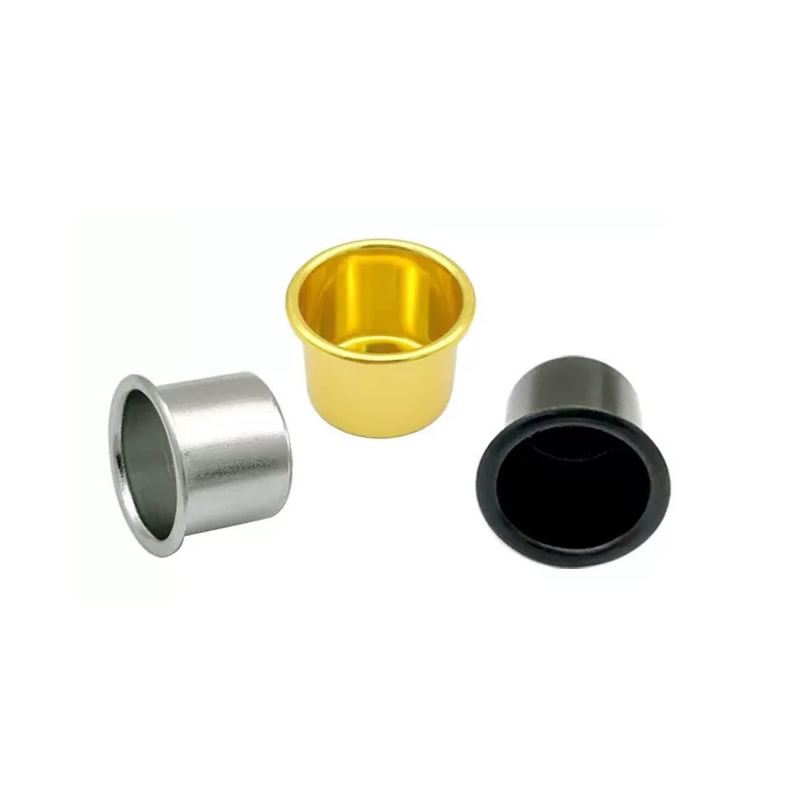
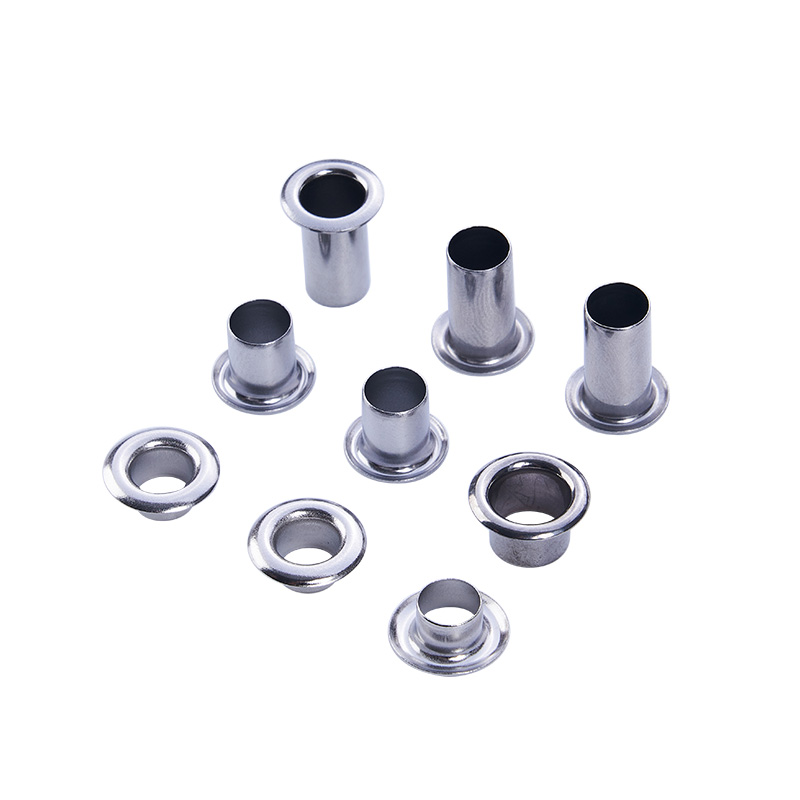
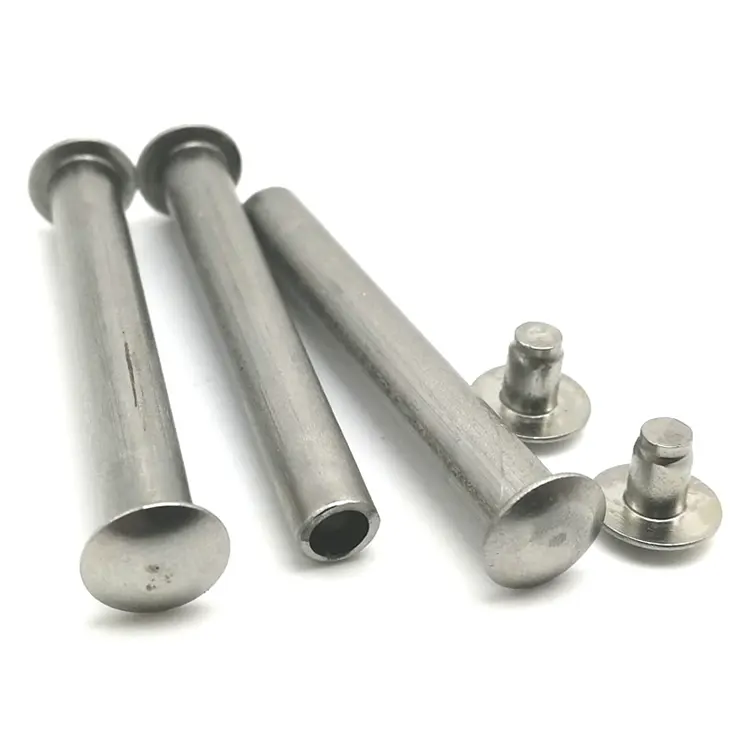
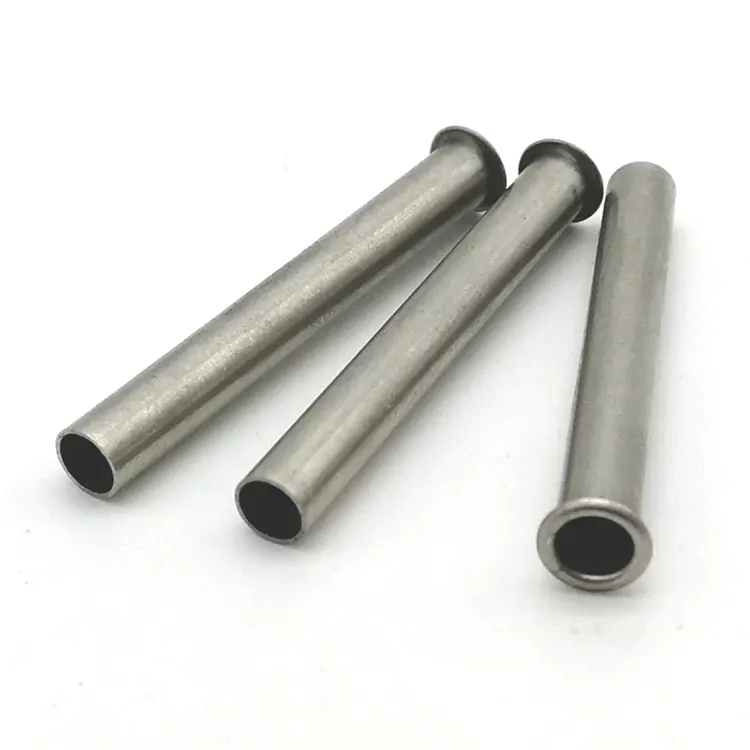
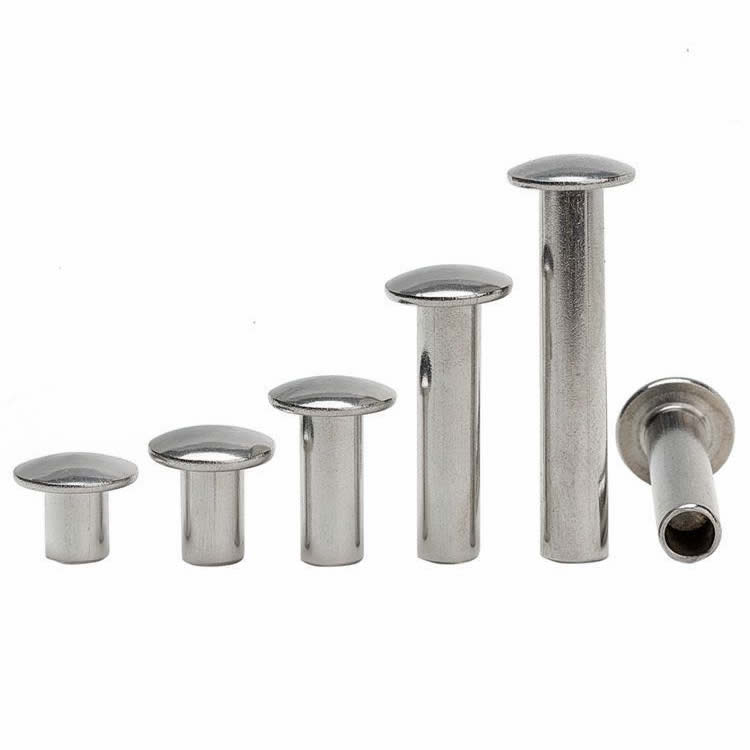
Iron Semi Tubular Rivets
Iron semi tubular rivets from Nuote Metals – low-carbon steel fasteners that reduce setting force by 70% while retaining 80–90% of solid rivet strength. Available in 1.5–8.0mm shank diameters, six head styles, zinc-plated, nickel-plated, or black oxide finish.
Send Inquiry
Product Description
For industrial fastening applications where strength cannot be compromised but budgets must be respected, iron semi tubular rivets offer the ideal balance. These components combine the high load-bearing capacity of carbon steel with the installation efficiency of hollow-body design.
Nuote Metals brings over two decades of metallurgical expertise to the manufacturing of iron semi tubular rivets. Our products serve industries ranging from heavy machinery assembly to structural steel connections, where reliability under vibration and sustained load is non-negotiable.
What Are Iron Semi Tubular Rivets?
Iron semi tubular rivets—also known as carbon steel semi-hollow rivets—feature a partially hollow shank with a shallow hole at the tip opposite the head. During installation, the hollow section rolls outward under pressure, forming a secure clinch while requiring approximately one-quarter of the force needed for solid rivets.
This design makes iron semi tubular rivets particularly suitable for:
- Permanent joints where disassembly is not required
- Applications subject to continuous vibration
- Pivot points where controlled movement is necessary
- Mass production environments requiring rapid installation
The term “semi-tubular” distinguishes these fasteners from both solid rivets (fully solid throughout) and blind rivets (which can be installed from one side only).
Check the Video to See How We Make Rivets
Different Material of Rivets We Make
We make different materials of Rivets, such as brass rivets, steel rivets, stainless steel rivets, aluminum rivets, and copper rivets.
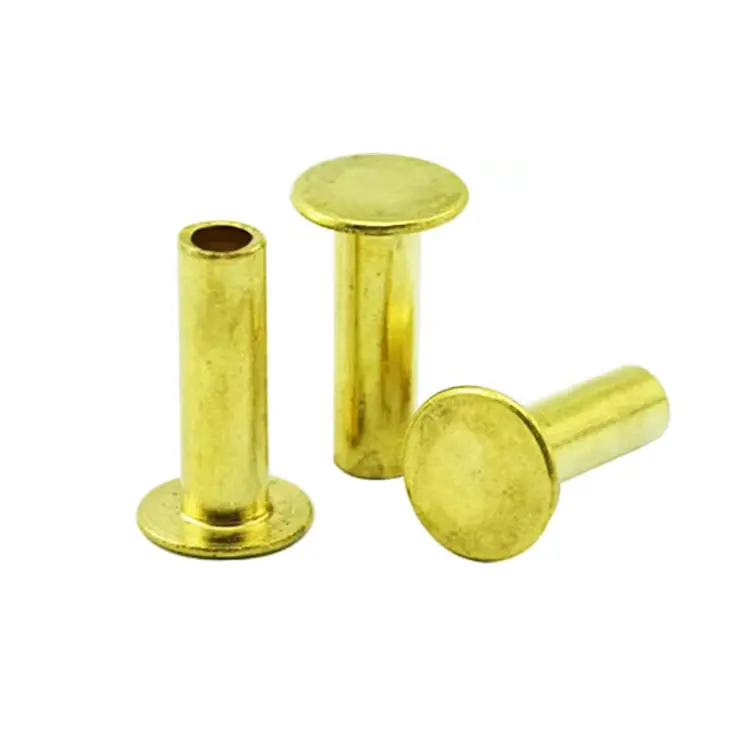
1. Brass Rivets, including brass solid rivets, brass semi-tubular rivets, brass tubular rivets.
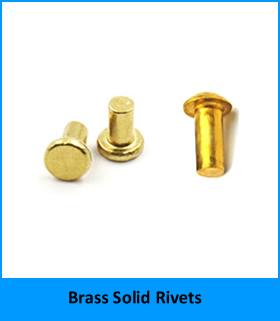
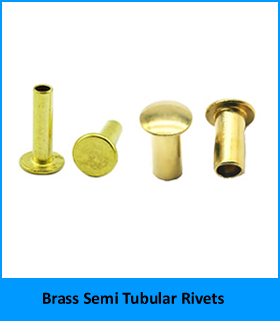
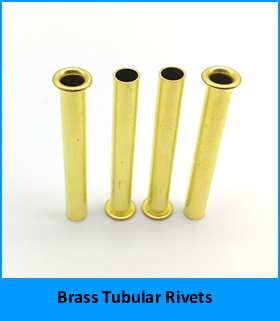
Click  to view more about our brass rivets.
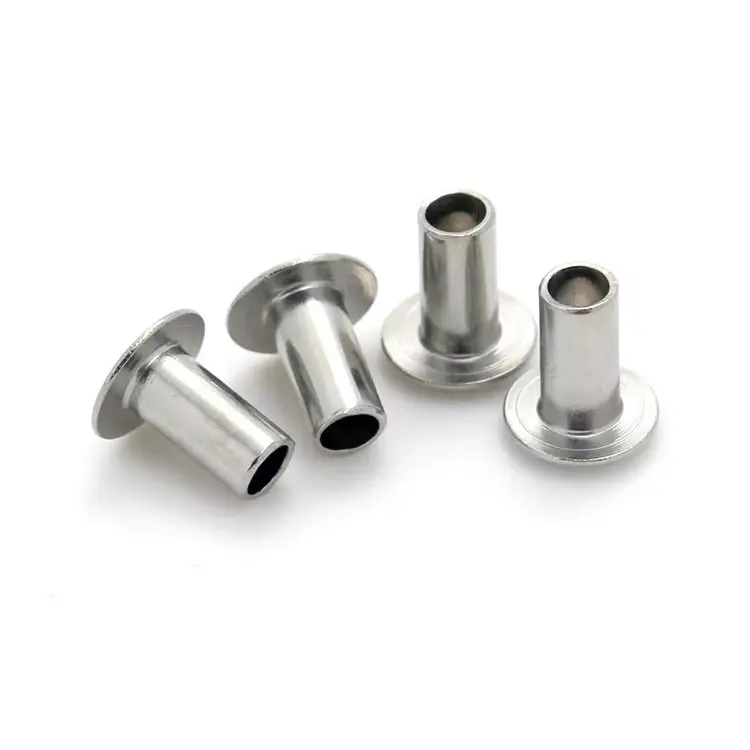
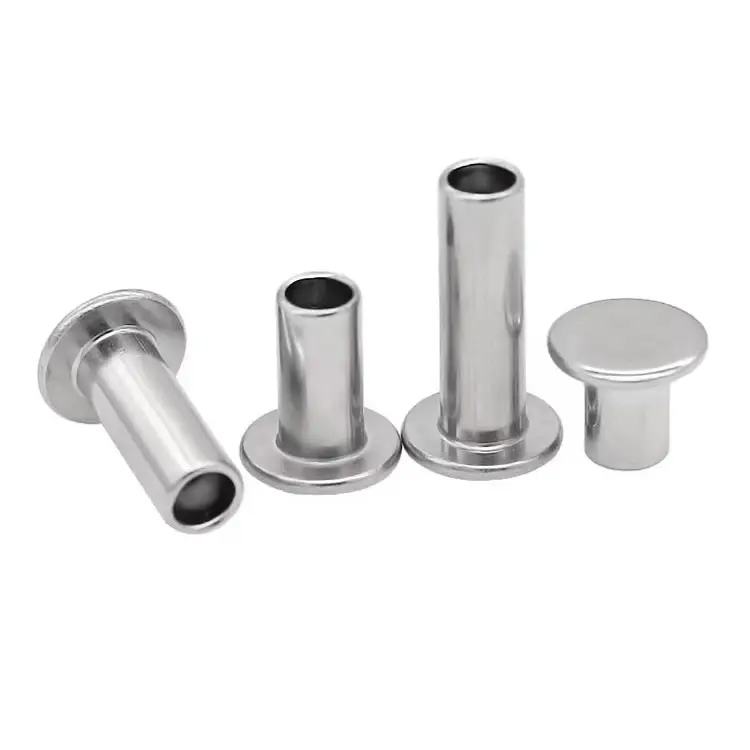
2. Stainless Steel Rivets,including stainless steel solid rivets,stainless steel semi-tubular rivets, stainless steel tubular rivets.
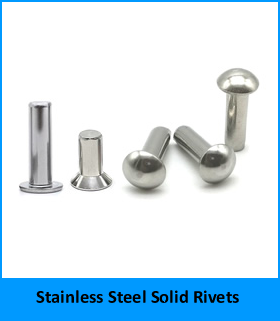
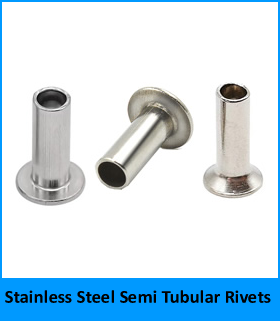
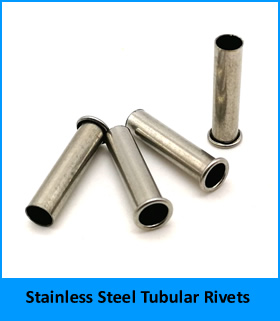
Do you want to know more about our stainless steel rivets? just click 
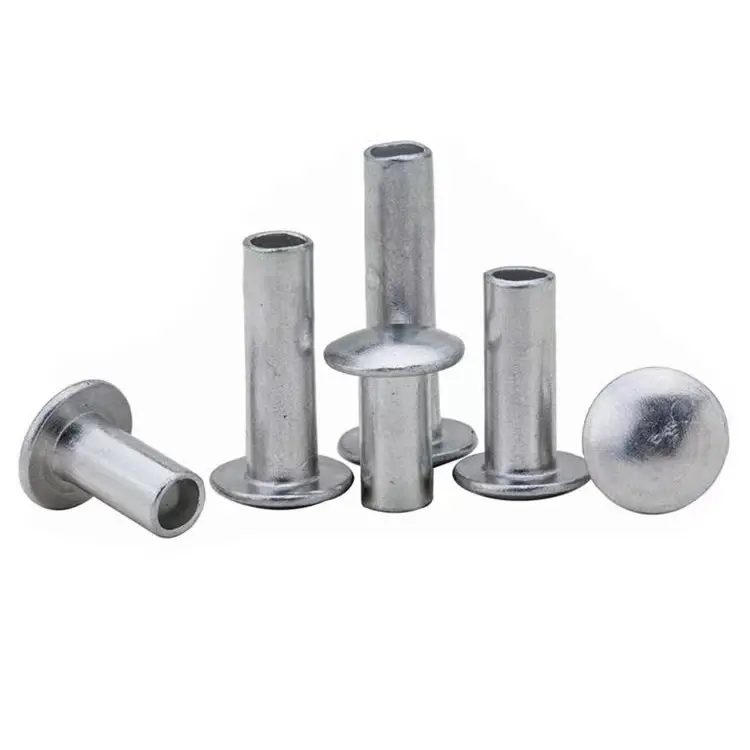
3. Aluminum Rivets, including aluminum solid rivets, aluminum semi-tubular rivets, aluminum tubular rivets.
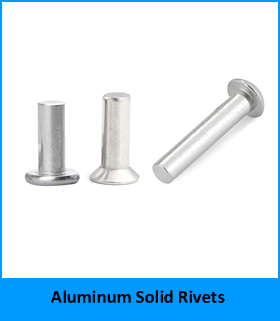
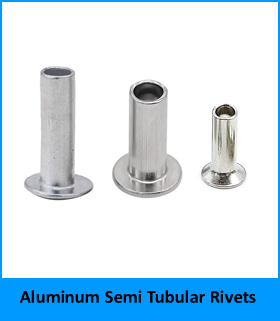
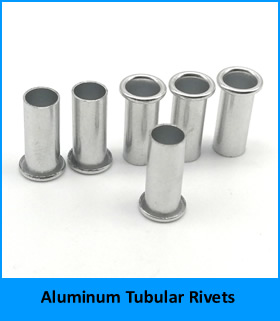
If you want to know more about our aluminum rivets, please click 
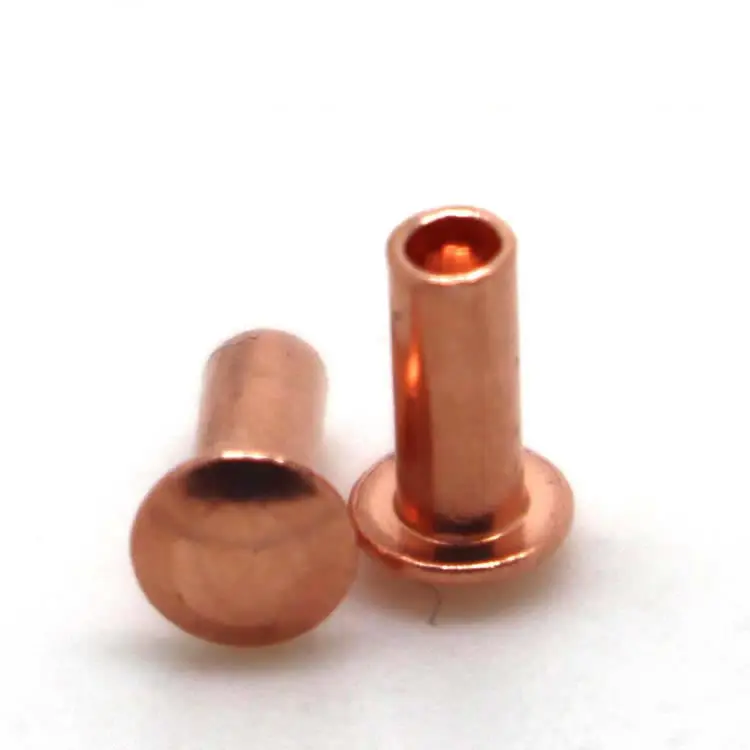
4. Copper Rivets, including copper solid rivets, copper semi-tubular rivets, copper tubular rivets.
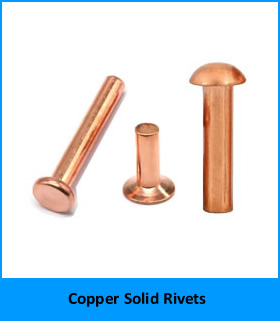
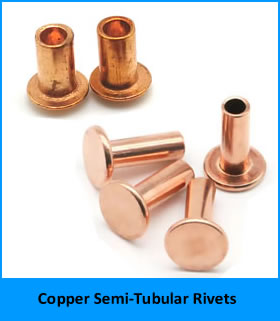
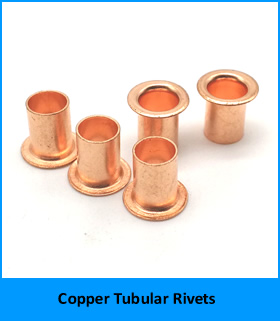
Click  to get more information of our copper rivets.
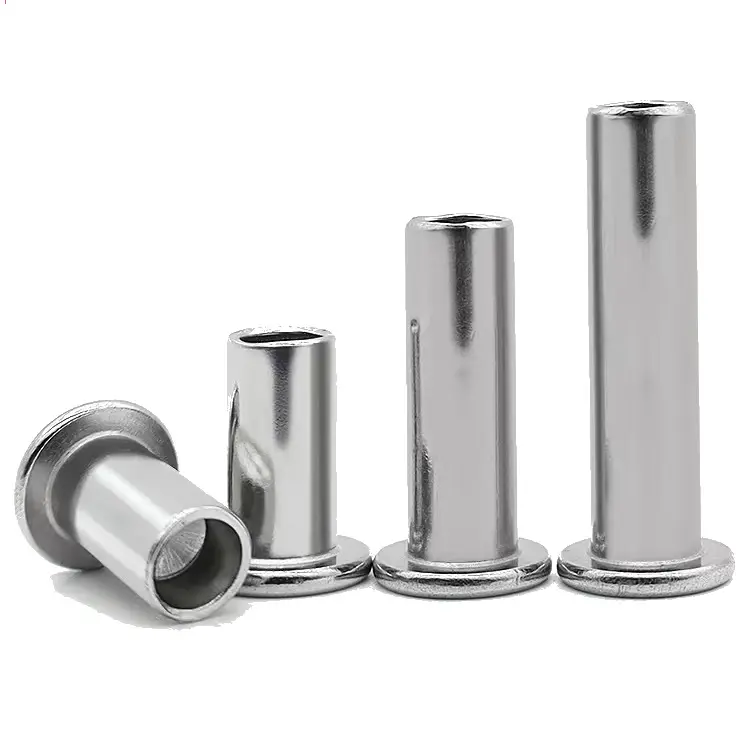
5. Steel Rivets, including steel solid rivets, steel semi-tubular rivets, steel tubular rivets.
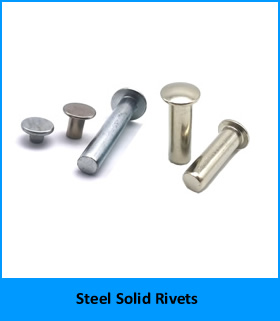
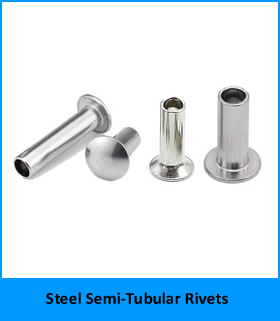
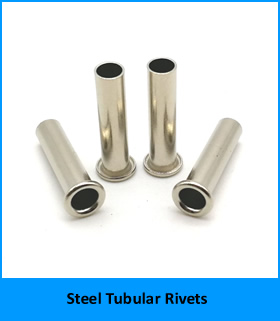
If you want to get more information of our steel rivets, please click 
Why Choose Iron Over Other Materials for Semi-Tubular Rivets?
Before examining technical specifications, it is essential to understand where iron semi tubular rivets outperform alternatives.
Nuote Metals recommends iron (carbon steel) rivets for the following scenarios:
- High-load structural applications where tensile strength of 400–500 MPa is required
- Cost-sensitive mass production where material economy matters without sacrificing performance
- Magnetic assemblies where ferrous properties are needed
- Heavy machinery and industrial equipment joining steel components
Material Comparison
| Material | Tensile Strength | Relative Cost | Corrosion Resistance | Best Application |
| Iron (Carbon Steel) | 400–500 MPa | Low | Fair (requires coating) | Heavy machinery, structural steelwork, industrial equipment-39 |
| Stainless Steel | 500–700 MPa | High | Excellent | Marine, outdoor, food-grade, architectural |
| Brass | 300–400 MPa | Medium | Very good | Electronics, decorative, low-corrosion indoor |
| Aluminium | 200–300 MPa | Low | Good (natural oxide) | Lightweight assemblies, aerospace, non-magnetic |
Detailed Product Parameters of Nuote Metals Iron Semi Tubular Rivets
All iron semi tubular rivets from Nuote Metals are manufactured from low-carbon steel (0.1% carbon or less) to ensure optimal formability during the setting process. Surface treatments are applied to enhance corrosion resistance where required.
Material Specifications
| Parameter | Specification |
|---|---|
| Base Material | Low Carbon Steel (Q195 / Q235 / 1008–1010) |
| Carbon Content | ≤0.10% |
| Tensile Strength (Base Material) | 400–500 MPa-19 |
| Hardness (as-manufactured) | HRB 70–85 |
| Surface Finishes Available | Zinc Plated, Galvanised (Hot-dipped or Electro), Black Oxide, Phosphate Coated |
| Compliance Standards | ASME B18.7.1M (Metric General Purpose Semi-Tubular Rivets) |
Head Styles Available
Nuote Metals manufactures iron semi tubular rivets in multiple head configurations to suit different assembly requirements:
- Oval Head: Standard general-purpose head with low profile, suitable for most applications
- Truss Head: Wider bearing surface for softer materials or larger hole clearances
- Flat Head (Countersunk): Flush finish for smooth exterior surfaces
- Pan Head: Medium-height head with good driving characteristics
- Round Head: Traditional dome shape for maximum strength at the joint
Standard Dimensional Range
| Inner Diameter (mm) | Shank Diameter (mm) | Barrel Length Range (mm) | Grip Range (mm) | Head Diameter (mm) |
|---|---|---|---|---|
| 3.0 | 3.0–3.2 | 4.0–12.0 | 1.5–4.0 | 6.0 |
| 4.0 | 4.0–4.2 | 5.0–16.0 | 2.0–5.5 | 8.0 |
| 5.0 | 5.0–5.2 | 6.0–20.0 | 2.5–7.0 | 10.0 |
| 6.0 | 6.0–6.2 | 8.0–25.0 | 3.0–9.0 | 12.0 |
| 8.0 | 8.0–8.3 | 10.0–32.0 | 4.0–12.0 | 16.0 |
| 10.0 | 10.0–10.3 | 12.0–40.0 | 5.0–15.0 | 20.0 |
Tolerances: Shank diameter ±0.05mm, barrel length ±0.15mm. Rivet length is measured from the underside of the rivet head.
Mechanical Performance Data
| Parameter | Value |
|---|---|
| Single Shear Strength (Iron) | 38,000 psi (approx. 262 MPa) |
| Double Shear Strength (Iron) | 76,000 psi (approx. 524 MPa) |
| Recommended Hole Size | Shank diameter + 0.010″ to 0.015″ (0.25–0.38mm) |
| Setting Force (relative to solid rivet) | Approx. 25% of solid rivet force required |
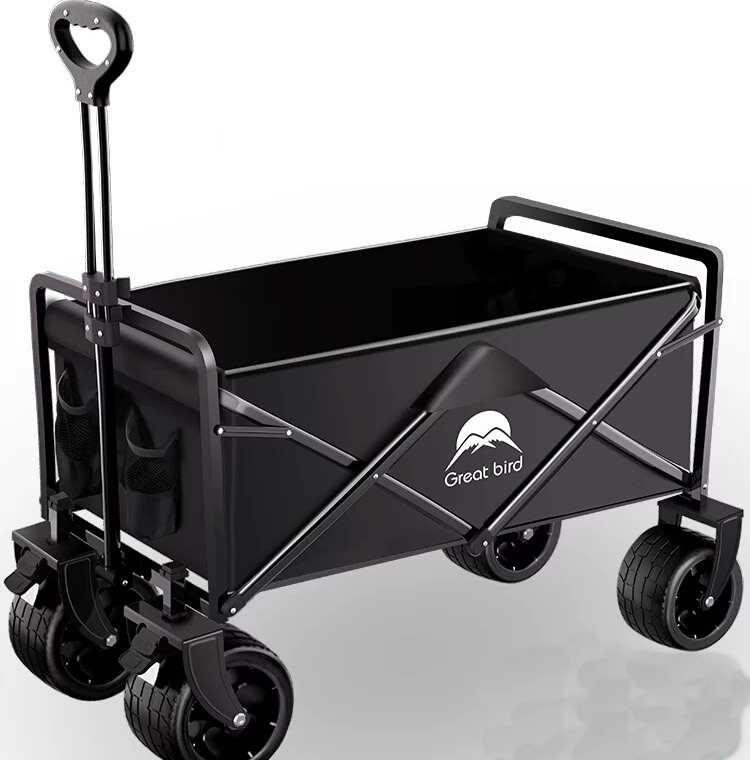
One Real Customer Example – Outdoor Folding Wagon
This is one of many applications for iron semi tubular rivets. We include it to show real production use, not to suggest limitation.
A manufacturer of heavy‑duty folding wagons for camping and gardening needed a durable, low‑cost rivet for the scissor‑hinge joints. The wagon frame used 2mm thick steel tubing. The original solid rivets required high setting force, which deformed the tubing and slowed assembly. The customer also wanted a corrosion‑resistant finish for outdoor use.
Nuote Metals supplied iron semi tubular rivets – 5mm shank, 9mm round head, 12mm barrel length, yellow zinc plated. The semi‑hollow cavity cut setting force from 4 tons to 1.6 tons, eliminating tubing deformation. The yellow zinc plating provided 96 hours of salt spray resistance – enough for rain and occasional mud. The customer tested 1,000 rivets on 200 wagons. After 5,000 folding cycles, no loosening or rust. They now order iron semi tubular rivets in batches of 50,000 pieces, used across their entire folding wagon line.
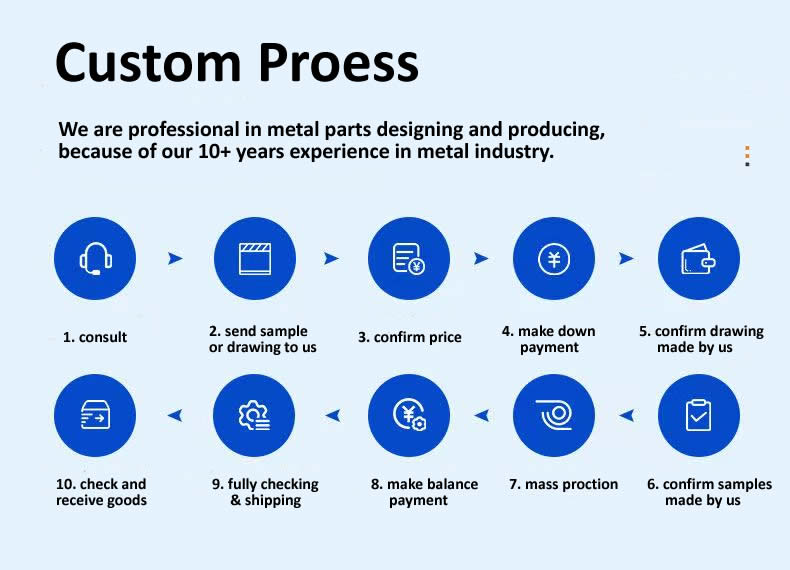
Our Custom Process – From Inquiry to Delivery
We follow a clear, transparent workflow for every order of iron semi tubular rivets.
1. Consult – You share your application, material thickness, and quantity requirements.
2. Send samples or drawing – Provide a sample rivet or a detailed drawing with dimensions and finish.
3. Confirm price – We issue a quotation with tooling cost (if any) and piece price.
4. Make down payment – 50% deposit for tooling and raw material.
5. Confirm drawing made by us – We prepare a production drawing for your approval.
6. Confirm samples made by us – We produce first articles (20–50 pieces) and ship them to you for testing.
7. Mass production – Upon sample approval, we run full quantity on our cold‑heading presses.
8. Make balance payment – 50% balance before shipping.
9. Fully checking & shipping – 100% optical sorting + final AQL inspection, then packed and shipped.
10. Check and receiving goods – You inspect the goods upon arrival. Any issues, we resolve immediately.
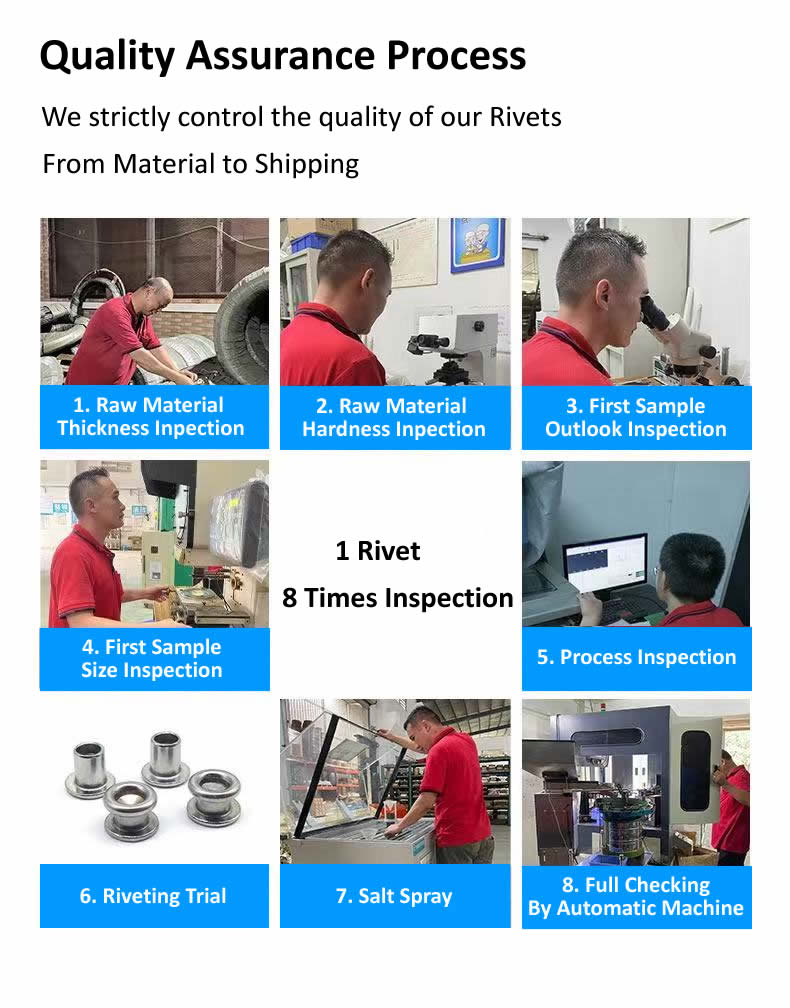
Quality Control – How We Ensure Every Rivet Meets Standards
We do not rely on random sampling alone. Every batch of iron semi tubular rivets goes through the following checks:
Incoming wire inspection – Diameter (±0.02mm) and hardness (HRB 70–85).
First article inspection – 20 pieces measured for head diameter, head height, shank, length, cavity depth.
In‑process inspection – 5 pieces every 500 pieces. Any drift triggers tooling adjustment.
Test setting – Every 2,000 pieces, we set 3 rivets into a sample steel plate to verify clinch formation.
Salt spray testing (if plated) – ASTM B117, 96 hours for yellow zinc, 48 hours for clear zinc.
Final outgoing inspection – 100% optical sorting for critical dimensions, plus AQL Level II, 1.0 manual verification.
We keep inspection records for five years. Every shipment includes a dimensional report and a Certificate of Conformance.
Partnering with Nuote Metals – Real Customer Feedback
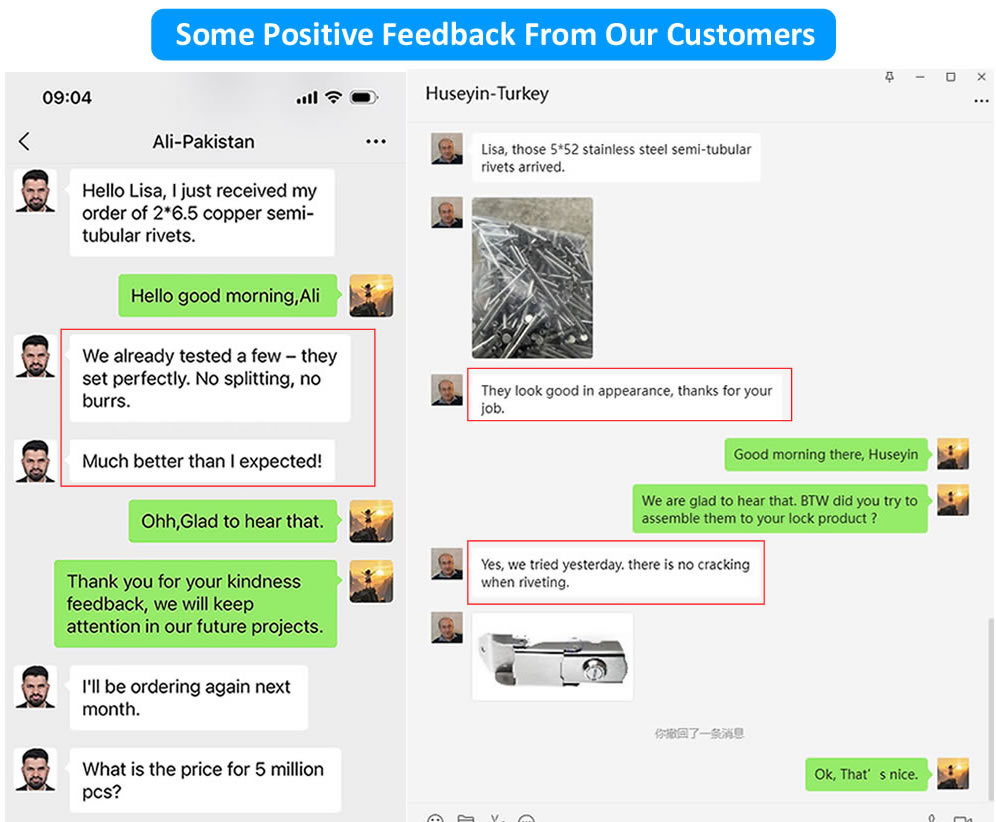
Collaboration – Working with Global Customers

Installation Guide for Iron Semi Tubular Rivets
Proper installation is critical to achieving the full mechanical potential of iron semi tubular rivets. Nuote Metals recommends the following approach:
Preparation
Drill pilot holes with diameter slightly larger than the rivet shank (typically 0.010″–0.015″ or 0.25–0.38mm oversize)
Deburr holes to ensure smooth rivet insertion
Align workpieces securely before rivet placement
Installation Methods
Method 1 – Manual Rivet Setter with Hammer
Place the rivet setter over the hollow end of the rivet
Strike the setter with a hammer to flare the hollow section outward
Inspect for full head formation and tight clinch
Method 2 – Manual Squeezer (Rivet Gun)
Position the jaws of the squeezer over the rivet head and hollow end
Squeeze handles to apply controlled compressive force
Suitable for medium-volume production
Method 3 – Pneumatic or Hydraulic Press (High Volume)
Use impact riveter or kick press for consistent, high-speed installation
Recommended for production runs exceeding 5,000 pieces
Nuote Metals can supply matched setting tools calibrated to our rivet dimensions
Frequently Asked Questions About Iron Semi Tubular Rivets
Below are the most common technical inquiries received by Nuote Metals regarding iron semi tubular rivets.
Q1: What is the difference between iron semi tubular rivets and solid rivets? Which one should I choose for my application?
A: The fundamental difference lies in the shank design and installation force. Iron semi tubular rivets have a shallow hollow at the tip, requiring approximately one-quarter of the force needed to set a solid rivet of the same diameter. Solid rivets are fully solid throughout and require significantly higher compressive force, often using a bucking bar on the tail side. For applications where installation speed matters—particularly in mass production—iron semi tubular rivets are the preferred choice. However, for extreme-load structural joints (e.g., bridge construction or pressure vessels), solid rivets provide marginally higher shear strength. For most industrial applications involving sheet metal, machinery guards, furniture, and automotive components, iron semi tubular rivets from Nuote Metals offer the optimal balance of strength and installation efficiency.
Q2: How do I prevent corrosion on iron semi tubular rivets when used in outdoor or humid environments?
A: Uncoated iron (carbon steel) will rust when exposed to moisture. Nuote Metals addresses this by offering multiple surface treatment options for iron semi tubular rivets. For indoor applications with minimal humidity, zinc plating provides adequate protection at low cost. For outdoor or high-humidity environments, we recommend hot-dipped galvanisation, which applies a thicker zinc layer (40–60 µm) that withstands prolonged exposure. For applications requiring both corrosion resistance and electrical conductivity (e.g., electronics enclosures), black oxide coating offers moderate protection while maintaining conductivity. In marine or chemically aggressive environments, stainless steel rivets may be more suitable. Nuote Metals can provide salt spray test data for each coating type to assist your selection.
Q3: What is the maximum material thickness that iron semi tubular rivets can accommodate? How do I select the correct barrel length?
A: The maximum material thickness (also known as grip range) is determined by the barrel length of the rivet. As a general rule, select a rivet with a barrel length approximately 0.5–1.5mm longer than the total thickness of the materials being joined. This allowance ensures sufficient material for the hollow section to roll outward and form a secure clinch. Nuote Metals offers iron semi tubular rivets with barrel lengths ranging from 4mm to 40mm, accommodating material thicknesses from 1.5mm up to 15mm. For precise selection, refer to our dimensional table above or contact our technical team with your specific material stack thickness. We also offer custom barrel lengths for non-standard applications—minimum order quantities apply.
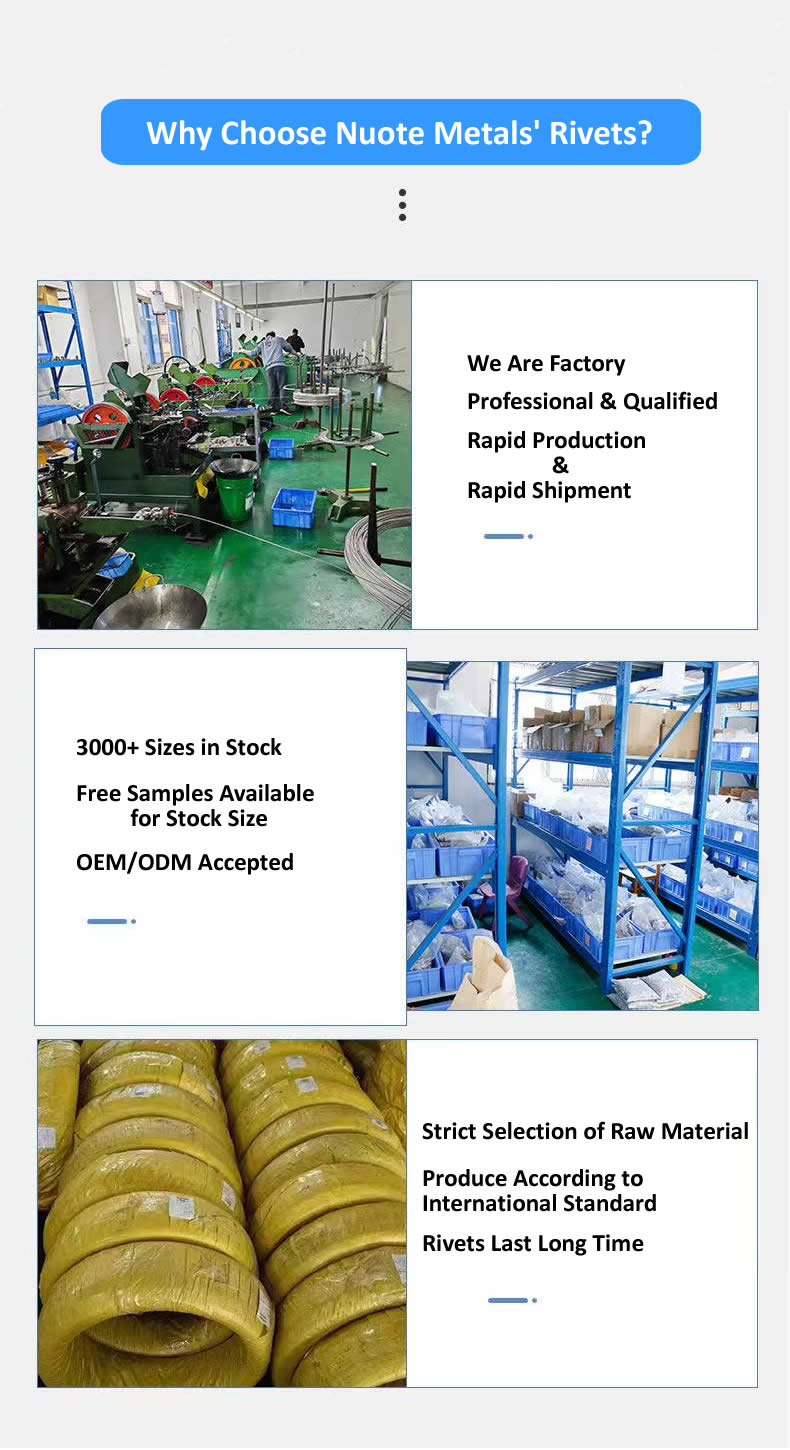
Why Partner with Nuote Metals for Iron Semi Tubular Rivets?
Choosing the right supplier ensures consistent quality, competitive pricing, and reliable delivery. Nuote Metals offers:
Stock availability: Over 20 common sizes held in inventory with 3–5 day dispatch for stocked items
Custom manufacturing: Tooling for non-standard diameters, barrel lengths, or head styles (15–25 day lead time)
Competitive MOQ: 20,000 pieces minimum for standard sizes
Free samples: Available for stocked sizes (customer pays express shipping)
Global shipping: Logistics support to North America, Europe, Asia-Pacific, and beyond
100% quality inspection: Every product batch inspected before shipment
Contact Nuote Metals today to request a sample kit, technical datasheet, or quote for your iron semi tubular rivets requirements.
Hot Tags: Iron Semi Tubular Rivets,China Semi Tubular Rivets,Semi Tubular Rivets Manufacturer
Related Categories
Send Inquiry
Please feel free to fill your inquiry in the form below. We will reply you in 24 hours.



X
We use cookies to offer you a better browsing experience, analyze site traffic and personalize content. By using this site, you agree to our use of cookies.
Privacy Policy