Products
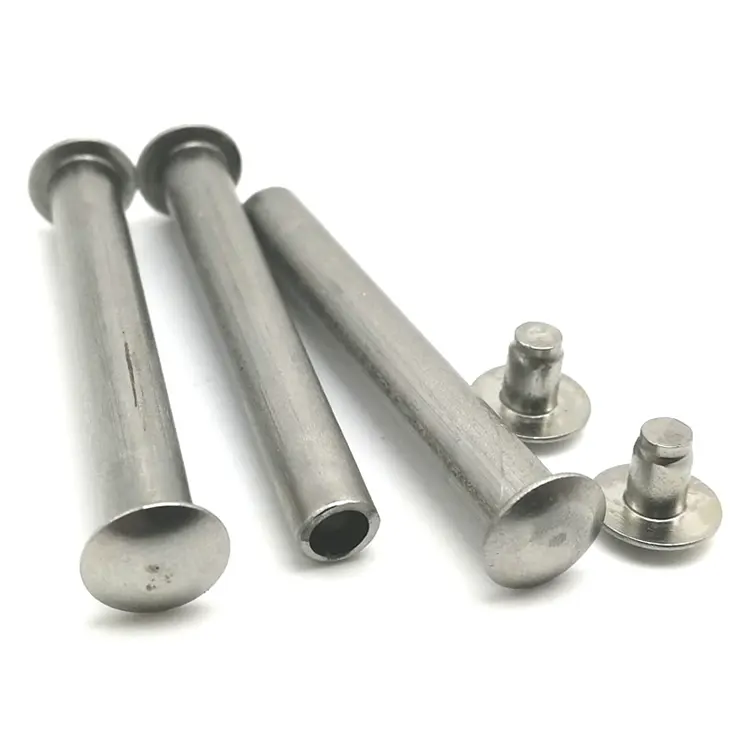
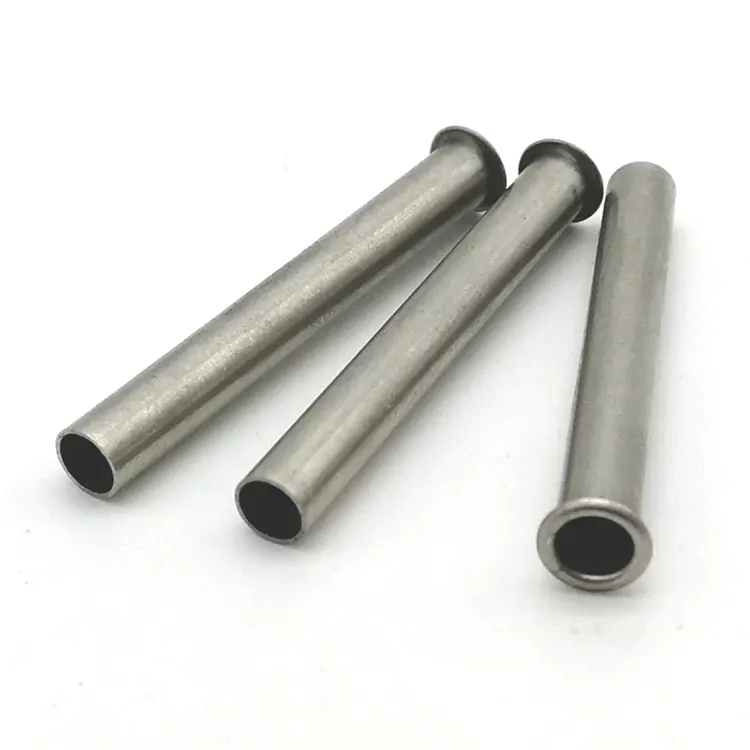
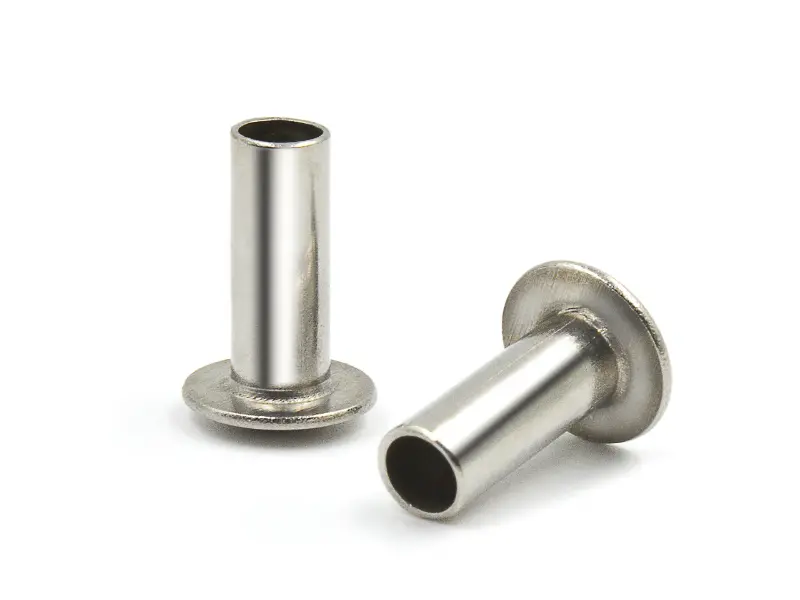
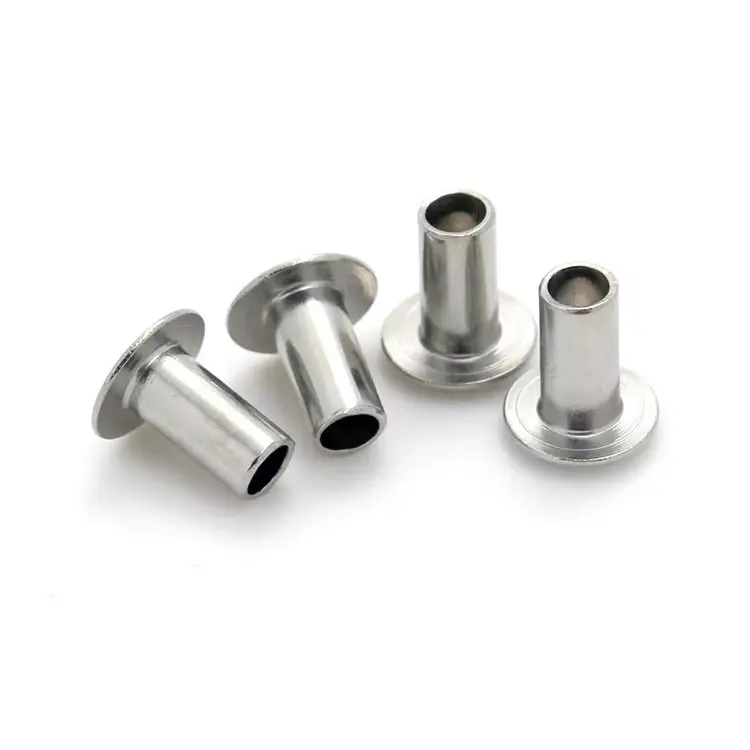
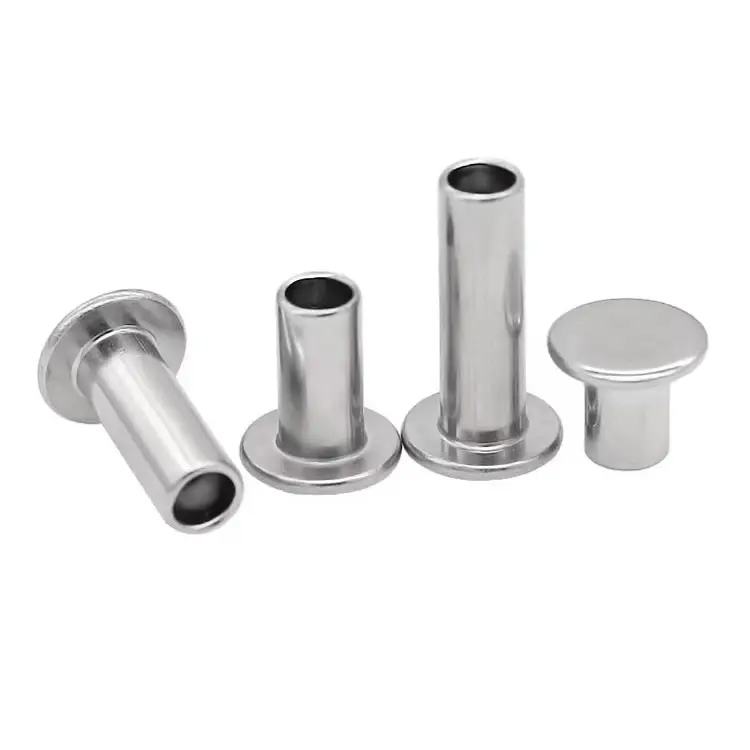
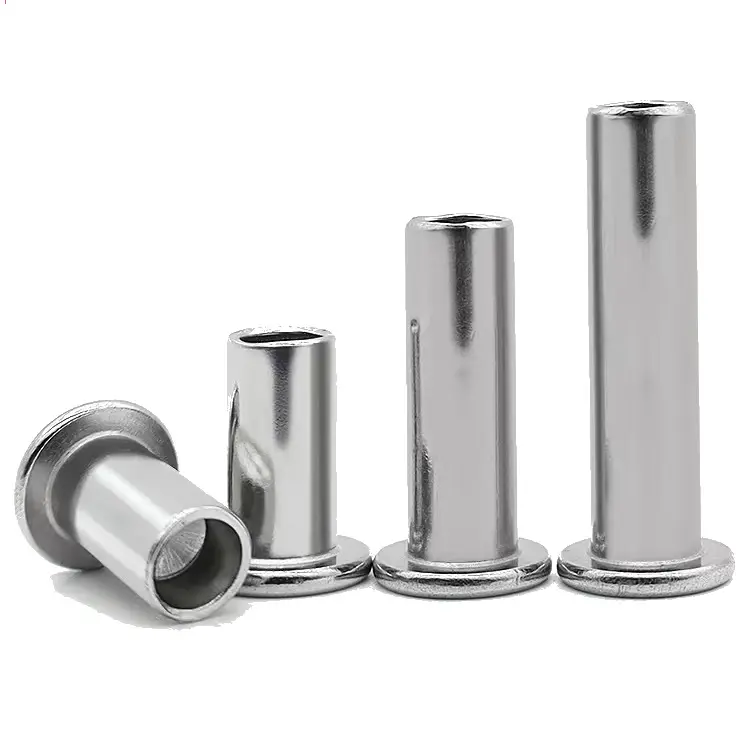
Stainless Steel Half Hollow Rivets
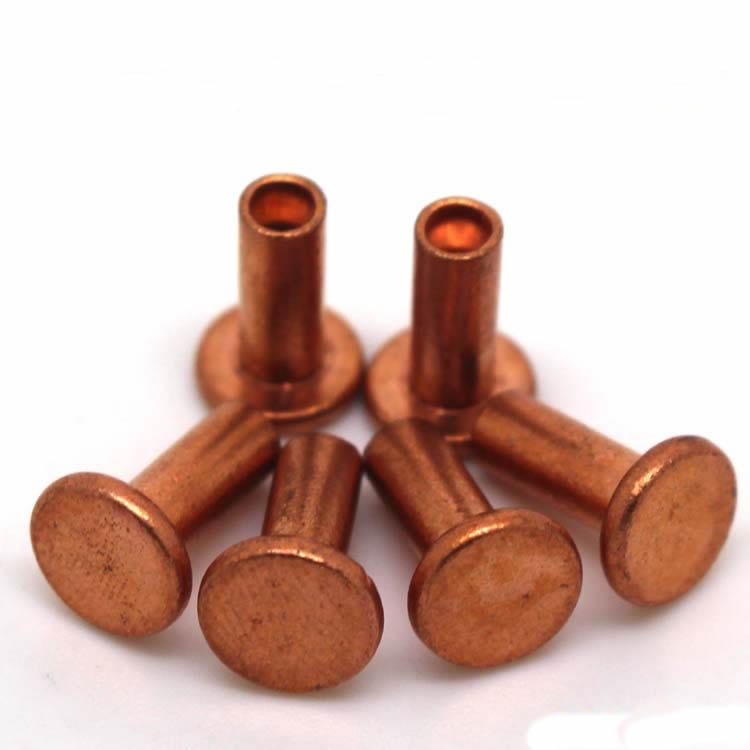
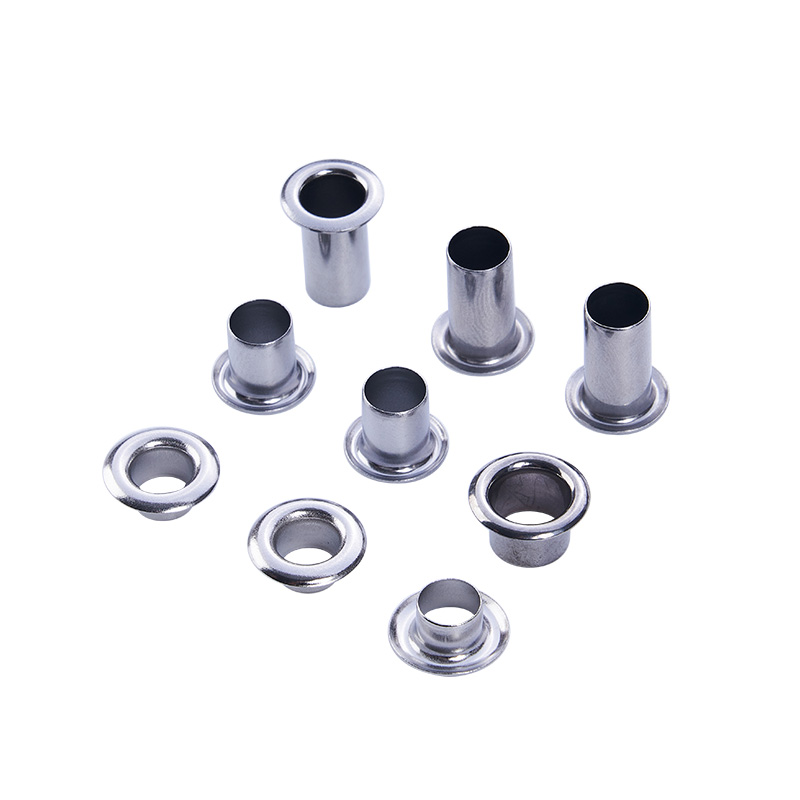
You can spot stainless steel half hollow rivets right away - they're not solid all the way through like regular rivets, but they're not completely hollow either. The head's solid, while the body's partially hollow. When you need to install them, just use a standard riveting machine with the right punch - it flares that hollow end into a tight, secure connection that won't let go. We normally make them from stainless steel grades like 304 or 316 - tough enough to handle daily wear and tear, plus they resist rust like champs. Honestly, these work just about anywhere you need them - indoor, outdoor, you name it. Nuote Metals specializes in the production of stainless steel 304 half hollow rivets and stainless steel 316L semi-hollow rivets. Welcome to contact us.
Send Inquiry
Product Description
Introduction of stainless steel half hollow rivets
The manufacturing process for stainless steel half hollow rivets involves material selection, cold heading, drilling, and surface treatment. Stainless steel wire is cold-drawn to the desired diameter and hardness. A cold heading machine then cuts and forms the wire into the initial rivet shape. Next, a die and machine are used to create the semi-tubular structure at the end of the rivet—effectively, all of this is done in one step within the machine. Surface treatments such as polishing or passivation are then applied to enhance corrosion resistance and aesthetics. The entire process emphasizes precision and consistency, ensuring the rivet meets standard dimensions.
Different Material of Rivets We Make
We make different materials of Rivets, such as brass rivets, steel rivets, stainless steel rivets, aluminum rivets, and copper rivets.
1. Brass Rivets, including brass solid rivets, brass semi-tubular rivets, brass tubular rivets.
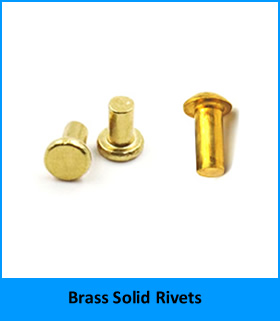
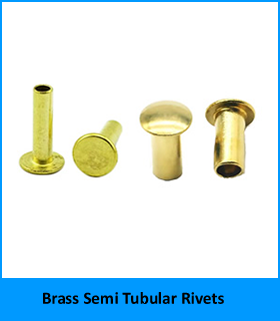
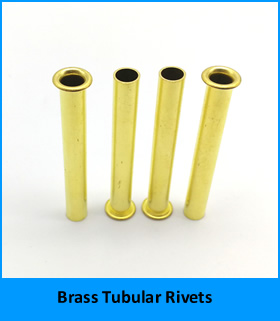
Click  to view more about our brass rivets.
2. Stainless Steel Rivets,including stainless steel solid rivets,stainless steel semi-tubular rivets, stainless steel tubular rivets.
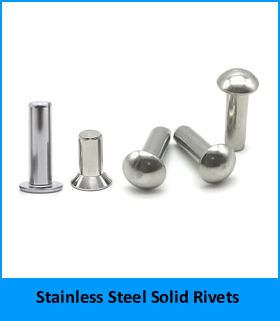
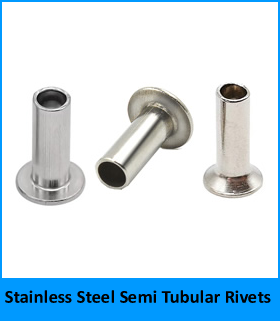
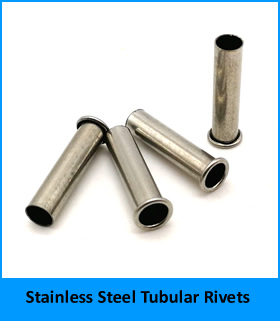
Do you want to know more about our stainless steel rivets? just click 
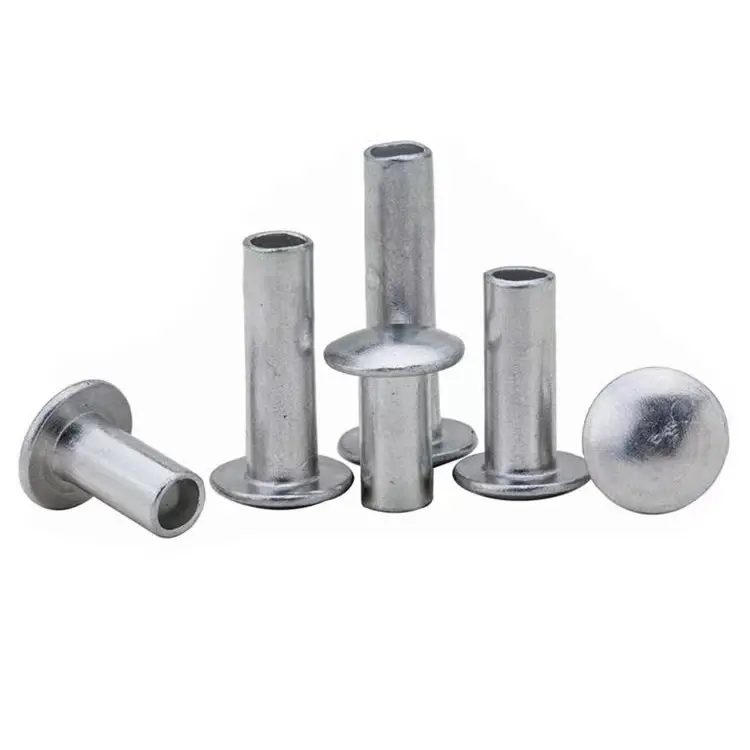
3. Aluminum Rivets, including aluminum solid rivets, aluminum semi-tubular rivets, aluminum tubular rivets.
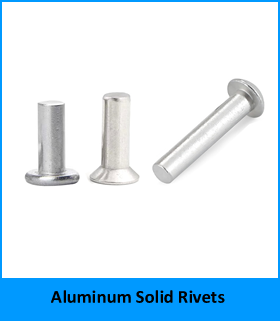
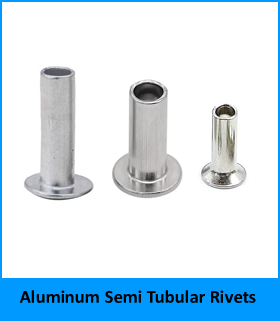
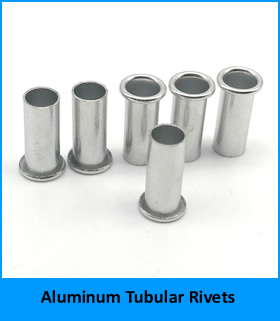
If you want to know more about our aluminum rivets, please click 
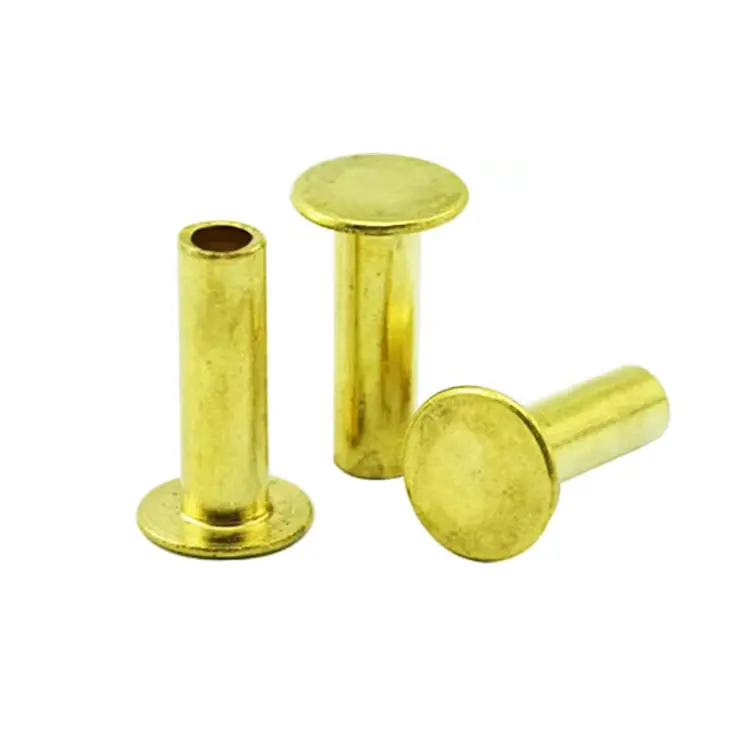
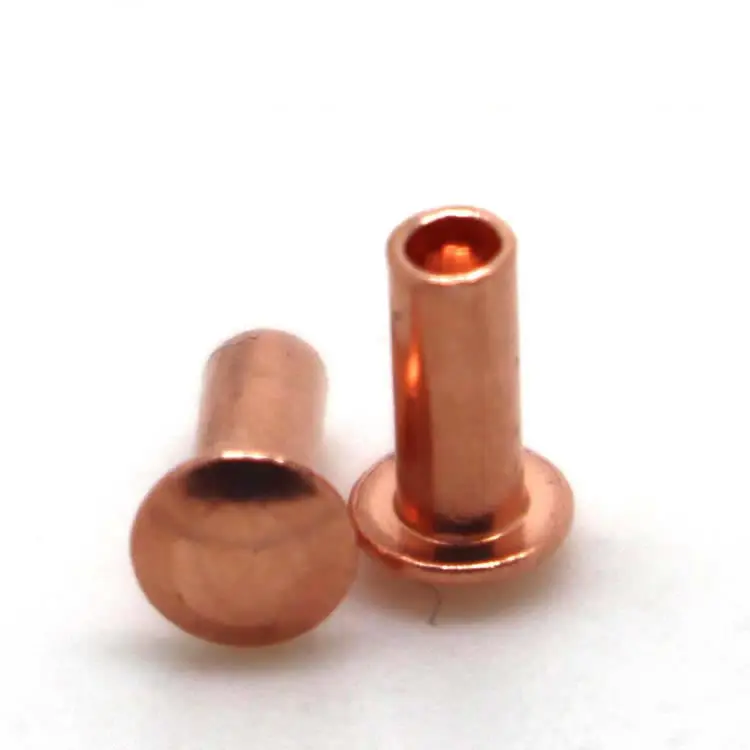
4. Copper Rivets, including copper solid rivets, copper semi-tubular rivets, copper tubular rivets.
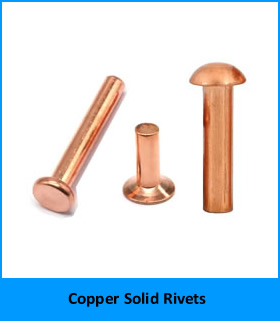
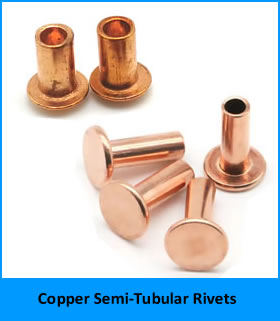
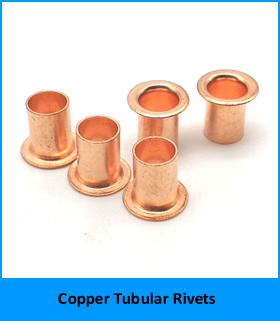
Click  to get more information of our copper rivets.
5. Steel Rivets, including steel solid rivets, steel semi-tubular rivets, steel tubular rivets.
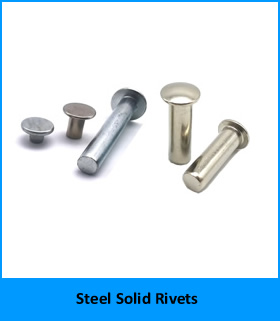
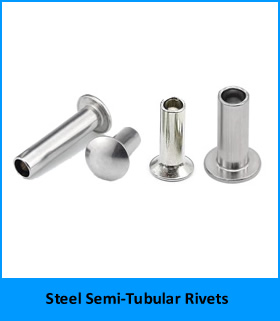
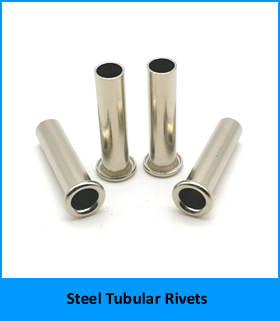
If you want to get more information of our steel rivets, please click 
Different Materials Of Rivets – Features and Advantages
| Material | Description | Advantages | Common Applications |
| Steel | Strong, durable, low-cost material | High strength, can be plated or coated, widely available | Construction, automotive, machinery, general assembly |
| Stainless Steel | Corrosion-resistant steel alloy | Won't rust, handles weather and moisture, long-lasting | Marine equipment, outdoor gear, medical devices, food processing |
| Aluminum | Lightweight, silvery metal | Very light, resists corrosion, easy to install | Aircraft, electronics, lightweight structures, sports equipment |
| Brass | Gold-colored copper-zinc alloy | Looks nice, good conductor, won't rust | Decorative hardware, electrical components, musical instruments |
| Copper | Soft, reddish metal | Excellent conductivity, develops patina over time | Electrical grounding, roofing, decorative work, jewelry |
Product Feature And Application
Stainless steel half hollow rivets are pretty versatile – you'll spot them in electronics, cars, furniture, and construction sites. They're the go-to choice for securing electronic housings or keeping circuit boards in place, holding down car interior trim and body panels, putting together metal furniture frames, and joining lightweight building structures. When picking the right rivet, it really comes down to your specific job. For outdoor applications where weather resistance matters, 316 stainless steel tends to be the preferred option.
Rivets vs. Traditional Screws – A Comparison Guide
| Comparison Aspect | Rivets | Traditional Screws |
| Permanence | Permanent joint – once installed, they cannot be removed without drilling out | Non-permanent – can be unscrewed and reused multiple times |
| Installation Access | Only need access from one side (blind rivets) – ideal for tight spaces | Usually need access from both sides, or pre-tapped holes |
| Vibration Resistance | Excellent – won't loosen under vibration or shock | Can loosen over time – may need lock washers or thread-locking fluids |
| Shear Strength | Very good – smooth shaft bears shear loads evenly without weak points | Good, but threads create stress concentration points that can fail under shear |
| Tensile Strength | Moderate – not designed for strong pulling forces | Better – threaded design provides strong clamping force under tension |
| Weight | Lighter – less material needed for strong joints | Heavier – especially when combined with nuts and washers |
| Material Compatibility | Good for joining dissimilar materials, including soft materials like plastics and fabrics | Can damage soft materials if over-tightened; galvanic corrosion risk with dissimilar metals |
| Installation Speed | Fast – quick setting with proper tools, easy to automate | Slower – requires threading, torque control, sometimes pre-tapping |
| Surface Finish | Smooth, flush appearance – available in various head styles and colors | Head sits above surface unless countersunk; threads may be visible |
| Corrosion Resistance | Closed connection resists moisture penetration at joint | Threads can create gaps that trap moisture and promote rust |
| Installation Tools | Requires special rivet gun or press | Common tools – screwdriver, wrench, or drill |
| Cost Per Unit | Generally lower cost per piece | Higher cost, especially for specialty screws |
| Maintenance | No maintenance needed – set and forget | May need periodic checking and retightening |
| Disassembly | Difficult – must be drilled out, destroying the rivet | Easy – simply unscrew and remove |
Group Photos with some of our cooperative clients
Here are some of our client’s photos, they are from The USA, Turkey, Japan, Malaysia, Indonesia,Denmark etc.

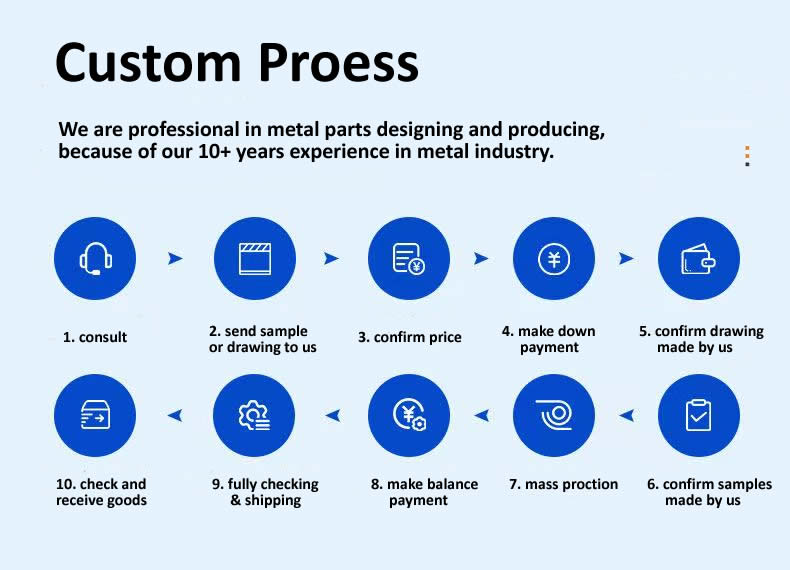
How to customize a new designed rivet?
Just check the following cutom process.
FAQ:
Q1: What is your MOQ for stainless steel half hollow rivets?
MOQ for rivets is 20,000pcs.
Q2: What is your main product?
Noute Metal produce metal eyelets, cold forming rivets, CNC machining parts and stamping parts.
Q3: Could you provide free samples?
We can provide free samples for the size we have in stock, But the clients will pay the Express charges.
Q4: What’s your Delivery Time?
Size of Rivets in stock: 3-5days,Non-standard Rivets: 15-25days. We will make the delivery as soon as possible with the guarantee quality.
Q5: The quality of your products?
The company has advanced production and testing equipment.Every products will be 100% inspected by our QC department before shipment.
Q6: How about your price?
High quality products with reasonable price.
Q7: How should I order and make payment?
By T/T, Sample charges or tool fee before samples; for production, 30%-50% before production, and balance before shipment.
Q8: Why do we choose Nuote Technology ?
1.We Nuote respect the customer terms to protect customer privacy projects.
2.High quality with attractive price
3.Fast Lead time
4.Happy deal and honesty to customer and partner
5.Professional sales ad reply your inquiry with 8 hours.
6.Nuote's products and service are sold to more than 70 countries with good reputtion
Hot Tags: Stainless Steel Half Hollow Rivets,Stainless Steel Rivets Manufacturer,China Stainless Steel Rivets
Related Categories
Send Inquiry
Please feel free to fill your inquiry in the form below. We will reply you in 24 hours.



X
We use cookies to offer you a better browsing experience, analyze site traffic and personalize content. By using this site, you agree to our use of cookies.
Privacy Policy